

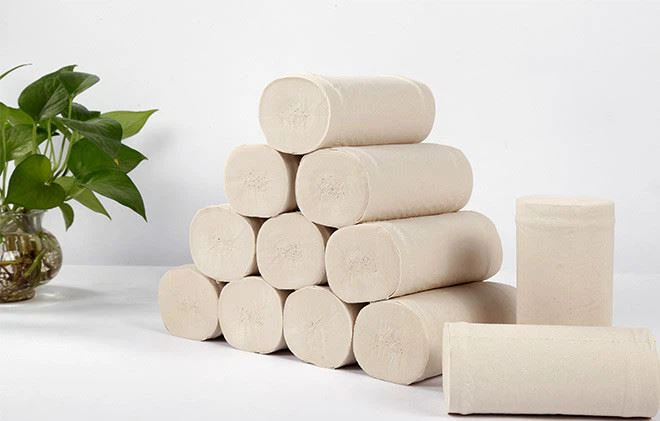
1. The performance of bamboo pulp is between softwood and hardwood, which is significantly better than grass pulp. It can replace hardwood pulp and reduce the consumption of softwood pulp. It is used to make various papers, including a variety of medium and high-grade paper products; The pulping production process is mature and reliable, and most of the equipment can adopt national products; the pollution control technology is mature, and the "three wastes" can meet the relevant national emission standards.
2. Log pulp paper is paper made of logs. Generally, the composition of log pulp paper contains more than 80% virgin wood pulp. The paper is smooth as satin, with warm color and a light wood fragrance. The raw wood pulp paper has toughness, has a slight elasticity when it is lightly torn, has no burrs, and will not fly off the lint of inferior paper towels. Features: The paper is fine, soft, smooth, and tough.
3. Bamboo pulp paper is the paper produced by using bamboo pulp alone or in a reasonable ratio with wood pulp and straw pulp through cooking, rinsing and other papermaking processes. Pure bamboo pulp paper is divided into drying paper and drying paper. Color: The color of dried paper is the natural yellow of bamboo after processing.
4. The main component of bamboo pulp and wood pulp mixed paper is bamboo pulp or wood pulp. A small amount of wood particles are added to the bamboo pulp or wood pulp. Some particles are more and some are less. These papers have good bulkiness. The basic color of bamboo pulp paper is yellowish, and the basic color of wood pulp paper is white. Bamboo pulp paper is used for sacrifice paper money, Ming paper, and packaging paper. These papers have good water absorption and toughness, and can also be used for other purposes.